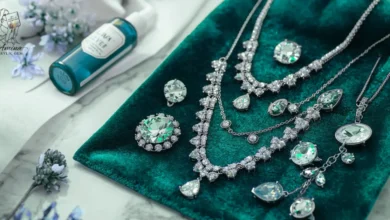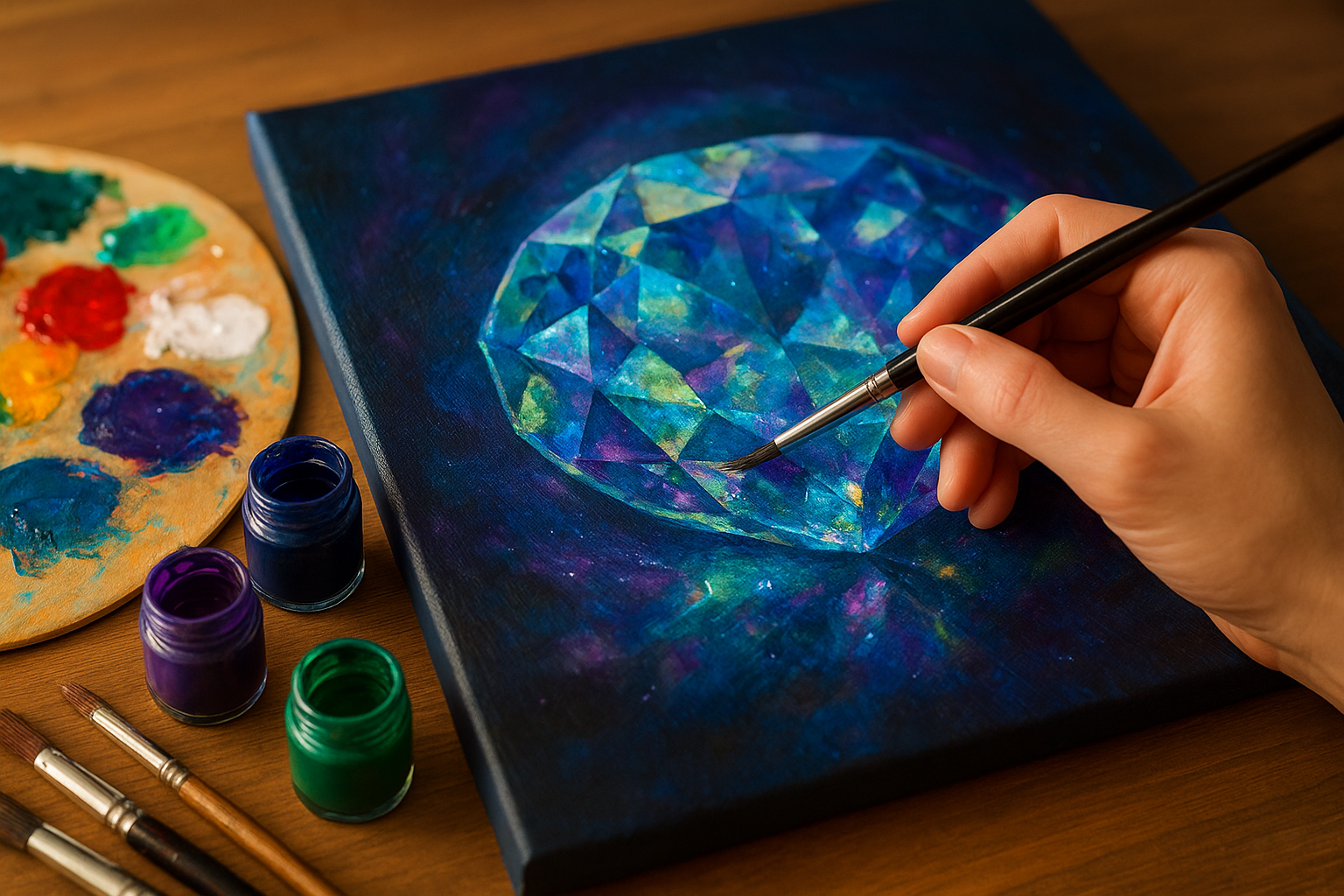
Ever stared at a sparkling gemstone and thought, “Wow, I wish I could paint that shine!”? Well, you’re not alone. When I first tried to create a gemstone texture acrylic painting, my “gem” looked more like a confused potato covered in glitter. But after many messy palettes and questionable color choices, I finally figured out how to capture that gemstone effect with acrylics — the kind that makes your art look like it’s glowing from the inside. If you’re ready to turn plain paint into crystal-clear magic, grab your brushes — this acrylic gem painting tutorial is for you. Whether you’re painting on canvas, wood, or even an old notebook cover, we’re diving into crystal texture painting techniques that’ll make your art shine brighter than your favorite piece of jewelry.
Gemstone texture acrylic painting: The Allure of Painting Gemstones
There’s something oddly satisfying about transforming blobs of Acrylic gem painting tutorial into sparkling gems. It’s like turning water into wine — only with more color mixing and less divine intervention. The goal is to recreate that mesmerizing light play you see in real gems: reflections, depth, and those subtle color transitions that make people go, “Wait, is that painted or real?”
When I first started experimenting with gemstone texture acrylic painting, I realized how versatile acrylics are. You can go from soft, pastel quartz vibes to bold, deep sapphires — all with a few layers and the right brush techniques.
And the best part? You don’t need fancy tools. Just some paints, a sponge or palette knife, and a willingness to get your hands (and maybe your table) messy.
Step-by-Step: How to Paint Gemstone Texture with Acrylics
Let’s break down the process — beginner-friendly and frustration-proof.
Step 1: Choose Your Gem Inspiration
Pick one gemstone to start with. Emerald, ruby, amethyst — or even a made-up gem (my first was “coffee-stone,” inspired by a caffeine high). Search for close-up photos of gems and notice how the light interacts with their facets. That observation will guide your color choices later.
Step 2: Prepare Your Surface
Prime your canvas with a neutral tone — gray or beige works well. This helps your gemstone effect with acrylics pop more vibrantly later. A white base can make the paint appear too flat, while a darker one adds natural depth.
Step 3: Base Colors and Blending
Apply the base color of your gem — say, a rich blue for sapphire. Use circular strokes to keep it organic. Add lighter and darker tones while the paint is still wet to create that subtle marbled look you see in real stones.
A tip I wish I’d learned earlier: use a damp brush, not dripping wet. Acrylics dry fast, so keeping a little moisture helps with blending and prevents harsh edges.
Step 4: Add Highlights and Facets
Now comes the fun part — the shine! Use white or metallic silver paint to add reflective areas. Don’t overdo it; think of it like adding jewelry — a little sparkle goes a long way.
This is where crystal texture painting techniques really make a difference. Dab, tap, or drag your brush lightly to mimic the uneven surfaces of real gems. You can even use a small piece of plastic wrap or a sponge to create randomized patterns.
Step 5: Final Details and Polish
Once it’s dry, glaze over your gem using a thin, transparent layer of paint. For instance, a diluted magenta glaze can make an amethyst glow beautifully.
If you’re feeling fancy, seal your work with a gloss varnish to give it that Gemstone effect with acrylics that catches the light — almost like the gem’s winking back at you.
Gemstone texture acrylic painting: Easy Acrylic Gem Art Ideas for Beginners
If you’re just dipping your brush into this world, here are a few beginner-friendly ideas:
- Gem clusters on canvas — paint multiple small gems in different colors. It’s like painting a treasure chest without the pirate drama.
- Decorate jars or trays with painted gems — perfect for home décor.
- Acrylic gem bookmarks or cards — small projects, big sparkle.
These easy acrylic gem art for beginners projects are quick wins that help you build confidence (and impress your friends who still think gems can’t be painted).
My First “Gem Fail” (and What It Taught Me)
That day taught me the golden rule of gem painting: contrast is your best friend. You need those deep shadows next to bright highlights for your gems to look dimensional. And yes, sometimes you have to embrace the “ugly stage” before it transforms into art magic.
Cultural Sparkle: Gems and Symbolism
Across cultures, gemstones symbolize more than beauty — they represent energy, protection, and luck. From Cleopatra’s love of emeralds to South Asian traditions of wearing gemstones for cosmic balance, these crystals have always carried stories.
Bringing those meanings into your gemstone texture acrylic painting adds an emotional touch. Painting a ruby? Channel passion. Creating an amethyst? Think peace and clarity. Your art can hold meaning as deep as the gems themselves.
Gemstone texture acrylic painting: Quick Tips for Perfect Gemstone Shine
- Layer slowly: Acrylics dry fast, so build depth gradually.
- Use metallics sparingly: They highlight, not dominate.
- Don’t chase perfection: Gems in nature aren’t perfect either. That’s their charm.
- Experiment: Mix in pouring mediums or try textured gels for dimension.
When you master these, you’ll notice your gemstone effect with acrylics start to sparkle naturally — no filters required.
Why I Keep Coming Back to Gem Painting
Every time I finish a piece, I feel that same childlike joy I had when discovering gemstones as a kid. Painting gems with acrylics combines technique with imagination. It’s art that shines — literally and figuratively.
Plus, it’s an amazing way to relax. Blending colors, building textures, watching that glossy finish appear — it’s meditative. And honestly, when a hobby feels that rewarding and looks that dazzling, why not lean into it?
Your Turn: Let’s Talk About Your Sparkle
Now it’s your turn to grab your paints and try your own easy acrylic gem art for beginners project. Don’t worry if your first gem looks more “abstract rock” than “ruby.” Every artist starts somewhere — and I promise, it gets shinier with practice.
If you try this acrylic gem painting tutorial, I’d love to hear how it goes. What gem did you paint? Did your cat walk across your palette mid-project (been there)? Drop your experience in the comments — your story might just inspire another artist to start theirs.
Because in the end, art is all about connection — and a little bit of sparkle never hurts.