If you’ve ever wondered how artists make their acrylic paintings pop off the canvas — quite literally — then you’re about to uncover the magic. In this guide, we’re diving deep into texture techniques for acrylic painting, exploring the best acrylic painting texture ideas, clever ways on how to add texture to acrylic art, and a few unique acrylic painting methods that’ll make your work stand out. You’ll also discover exciting acrylic texture paste techniques and other creative acrylic surface effects to give your artwork that extra “wow” factor.
Whether you’re a beginner experimenting with paint for the first time or a seasoned artist tired of flat, lifeless layers, these methods will help you build real dimension, energy, and emotion into your art. And don’t worry — we’ll keep it simple, fun, and yes, maybe a little messy (in the best way possible).
Acrylic texture techniques: Why Texture Matters in Acrylic Painting
Texture is one of those silent storytellers in your artwork. It’s not just what the eye sees — it’s what the viewer feels. A acrylic texture techniques piece captures light differently, creating shadows, highlights, and movement that breathe life into your painting.
Think about Van Gogh’s brushstrokes or the layered works of contemporary abstract artists. Those peaks, ridges, and ripples do more than decorate — they communicate. Texture adds personality, depth, and even mood.
So, before we get our hands dirty (literally), let’s understand the basic principle: Acrylic texture techniques are all about building surface variety that enhances the overall feel of your artwork.
Layering with Palette Knives
One of the easiest yet most impactful acrylic painting texture ideas is using a palette knife instead of a brush.
Think of your palette knife as your creative sword. You can spread paint thickly, scrape it thinly, or layer it boldly to create different effects. The trick is to use heavy body acrylics — they hold shape better and don’t flatten out as they dry.
Try this:
- Apply a base coat of color.
- Once it’s semi-dry, scoop up a contrasting color and drag your palette knife across the canvas in uneven strokes.
- Let the underlayer peek through.
You’ll end up with a textured, spontaneous look that feels both raw and expressive — one of those unique acrylic painting methods that never goes out of style.
💡 Pro tip: Don’t overthink it! The best results often come from bold, confident moves. If it looks too perfect, it’s probably missing the point.
Acrylic texture techniques: Adding Texture Paste for Sculptural Effects
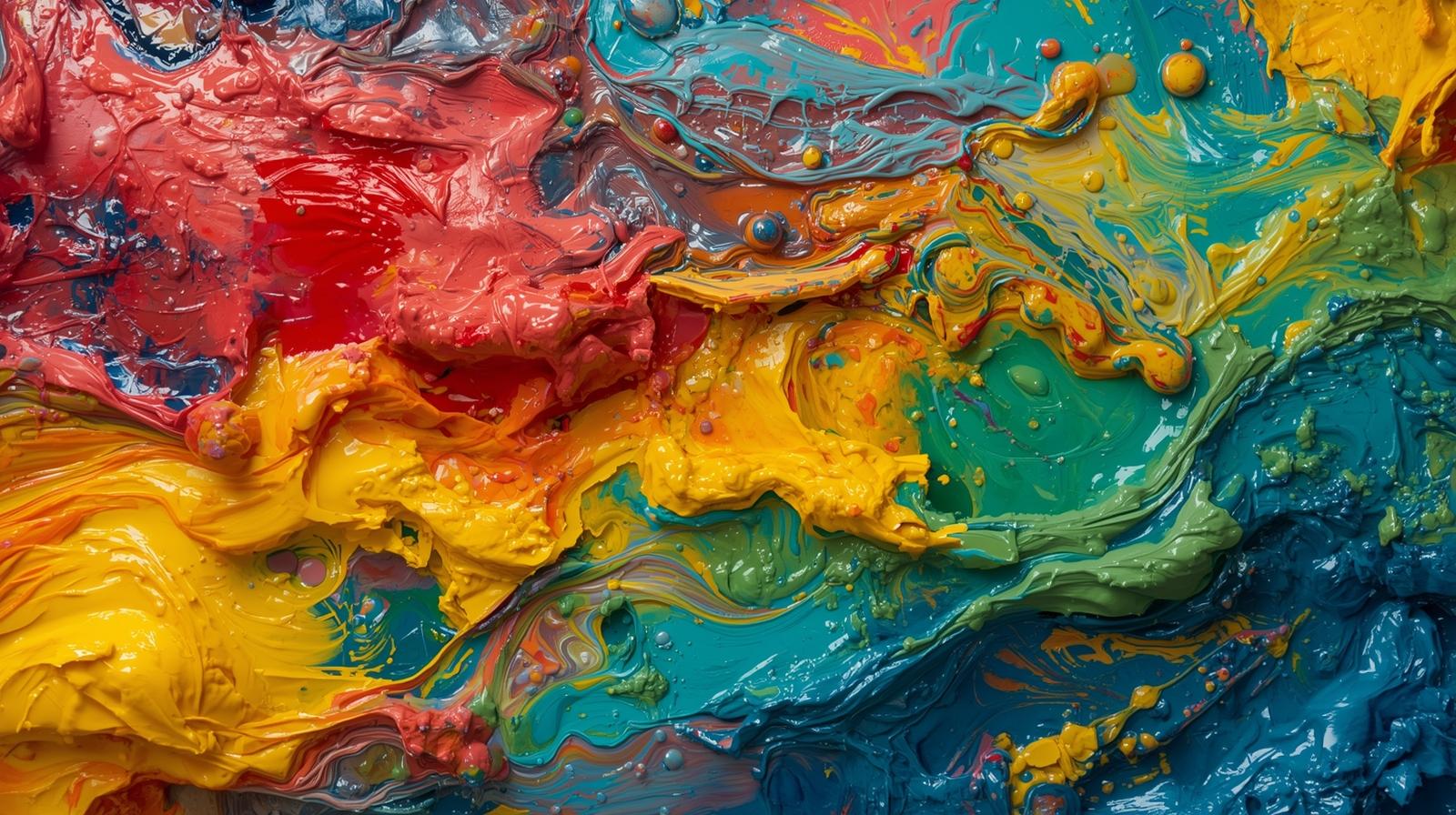
When we talk about acrylic texture paste techniques, we’re entering the fun zone. Texture paste (or modeling paste) is like frosting for your canvas — thick, creamy, and perfect for building volume.
You can use a brush, palette knife, or even your fingers (yes, artists do that) to create raised patterns.
Steps to try:
- Mix texture paste with acrylic paint for color, or apply it plain and paint over it once it dries.
- Use stencils or found objects (a leaf, a mesh cloth, a comb) to imprint patterns.
- Let it dry completely before adding layers of color.
This technique gives you real depth. When light hits the raised areas, your piece comes alive with natural shadows.
Bonus: texture paste makes you feel like a sculptor and a painter — two creative badges in one go.
Incorporating Natural Elements
If you’re after creative acrylic surface effects, why not borrow a little from nature? Using materials like sand, dried leaves, crushed shells, or fabric can add an organic touch to your artwork.
This method also tells a story — your painting becomes a fusion of the natural and the manmade.
Here’s how:
- Apply a layer of acrylic gel medium or strong adhesive.
- Gently press your chosen material into it.
- Paint over or around it once it sets.
You’ll get unpredictable acrylic texture techniques and patterns — the kind you can’t buy in a store.
Humor alert: Just don’t use your lunch leftovers for texture. (Acrylic paint and pizza crumbs are not a good combo.)
Acrylic texture techniques: Using Dry Brush and Scraping Techniques
Want to create subtle textures without all the extra materials? Then how to add texture to acrylic art can be as simple as adjusting your brush technique.
The dry brush method involves using very little paint on a stiff brush. You lightly drag it over the surface, letting the paint catch only the raised parts of the texture beneath. The result? A soft, weathered look — perfect for landscapes, abstract backgrounds, or distressed effects.
Pair it with scraping — using the edge of a palette knife, an old credit card, or even your fingernail to remove bits of wet paint. This reveals the underlying layers and adds visual movement.
It’s like uncovering little secrets hidden in your painting.
Experimenting with Mixed Media Layers
If you love pushing boundaries, this one’s for you. Combine your unique acrylic painting methods with other media — like watercolor, ink, or collage — to create dynamic and layered compositions.
For example, you can glue down tissue paper, paper towels, or fabric scraps before applying your acrylics. Each layer interacts differently with the paint, giving unexpected depth and character.
These acrylic painting texture ideas are especially popular in modern abstract art and expressive portraits. The trick is to balance your textures — not every inch needs to scream for attention. Let some parts breathe.
💭 Remember: Too much texture can be like too much spice — it overwhelms rather than enhances.
Common Mistakes to Avoid
Even though we love creative chaos, a few guardrails can save your masterpiece from disaster:
- Overloading the canvas: If you apply too much texture paste at once, it might crack.
- Ignoring drying time: Patience, dear artist. Rushing through layers can cause smudges or unwanted blending.
- Using low-quality paint: Cheap acrylics flatten and lose texture definition. Invest in good heavy-body paints.
- Skipping varnish: A acrylic texture techniques without varnish can collect dust faster than you can say “oops.” Use a gloss or matte varnish to protect it.
Final Touch: Light and Finish
The way light interacts with your creative acrylic surface effects surface can completely change your painting’s mood. Try viewing your work under different lighting — natural sunlight brings out highlights, while soft indoor lighting enhances shadows.
Once everything’s dry, apply a thin coat of varnish to seal your textures and protect them from fading.
And there you have it — the perfect mix of texture techniques for acrylic painting, all bundled with humor, creativity, and practical steps you can try today.